Nina Rojc
16 June 2026
Template: Streamlining open source design contributions
As designers working at Canonical, we’re always thinking about open source. We believe that encouraging more designers to contribute to open source benefits everyone, from the project maintainers to the end users themselves.
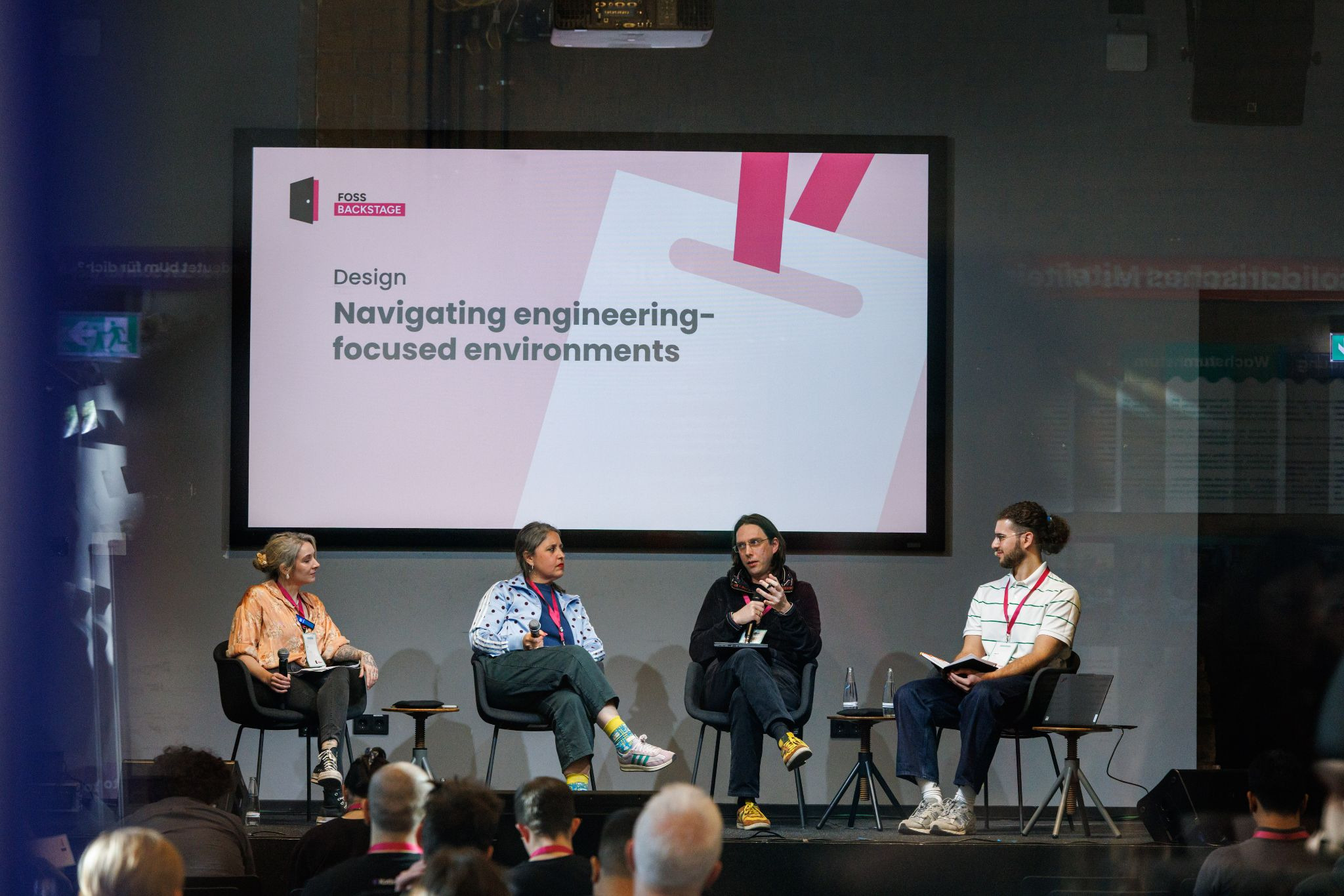
In the 2025 edition of FOSSBackstage conference, we presented our research findings on why designers don’t get involved in open source projects and found a particular breakdown between designers and project maintainers.
The truth is that designers often struggle to find projects they can contribute to. When they do find a project, the design requirements often are unclear or very limited. Meanwhile, project maintainers struggle to articulate their design needs or may not even know when to ask for design support.
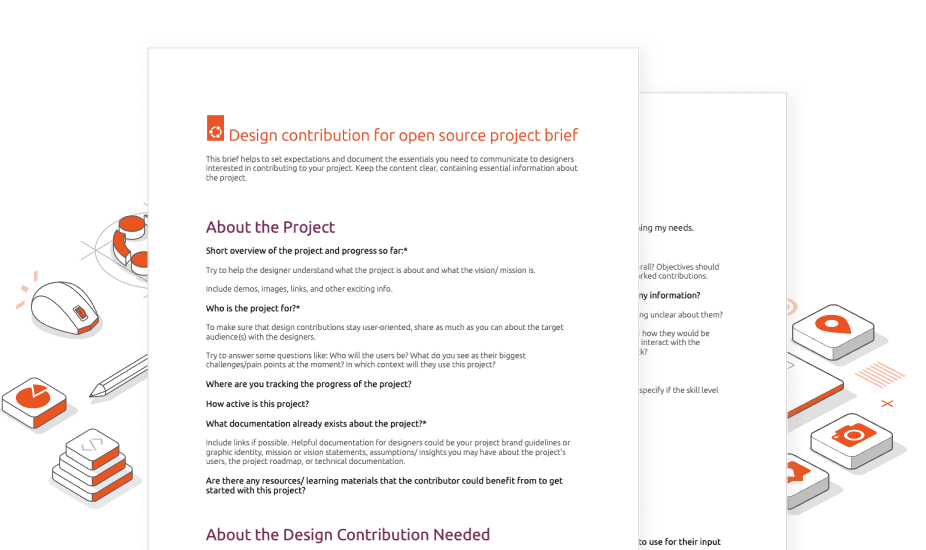
To bridge this gap, we created a template for a design contribution brief for open source projects. This template will help maintainers to clearly articulate their needs and give designers the essential information they need to contribute.
What’s in the contribution brief?
The brief has 5 sections, one for each area that can cause friction when maintainers try to onboard a designer to a project. The brief includes questions and examples that help maintainers add context to their contribution requirements, so a designer can pick up a project more easily. Here’s what each section covers:
- About the project: enables maintainers to get designers up to speed with a project overview, vision, target audience, and progress tracking. This section ensures everyone is on the same page about the project’s goals and context.
- About the design contribution needed: here’s where you detail the specific design contributions – from UX and UI, to graphic design and accessibility audits. Explain why you need the contribution, what user needs are, and what design skills are essential.
- Logistics: outline deadlines, priority levels, and timelines to keep everyone organized and on track.
- Team: introduce the project team and their roles, highlight any existing designers or contributors.
- Communications: specify how the team communicates (for example, asynchronously, synchronously), preferred communication platforms, preferred language, and any support for onboarding contributors.
Why use the contribution brief?
Benefits for project maintainers:
- Set clear expectations: the template breaks down project expectations to help maintainers articulate what they’re really looking for, and help designers understand the expectations. This makes it easier to communicate design needs and expectations to potential contributors.
- Streamline your process: adding all the information to a centralized place makes it easy to reference and saves time and effort. The template addresses the most commonly asked questions, which reduces the need to repeat the same things in different channels.
- Attract the right contributors: clearly articulating design needs helps attract people with the right skills and experience. Maintainers can tag their issues with specific labels and maximize their chance to reach the right audience.
Benefits for designers:
- Understand the project: designers can quickly grasp the project’s vision, goals, and target audience, without getting in touch or looking for information in more than one place.
- Know your requirements: a specific scope makes it easier to know where to start and how much work will need to be done. The template helps clarify what design contributions are required and the expected outcomes.
- Streamline your onboarding: the template makes it easier to understand how the team communicates and where designers can get support quickly.
How to use the template
Open the template, make a copy and attach it to your project. We will continue to refine the template, so try it out and tell us what you thought.
Join the Canonical design team
We’re looking for designers who care about craft and how systems work under the hood. At Canonical, design sits at the intersection of UX, engineering, and open source where we shape cohesive, accessible experiences across cloud, desktop, and IoT products.
If you enjoy solving complex problems and turning technical depth into clarity, explore our open roles: canonical.com/careers